Good Citizen — Clean, Quiet, Dispatchable Grid-Supporting Power
Utility power constraints don't have to set the pace of your campus. On-site ULN generation gives you a path to maintain critical operations, support planned expansion, and respond to utility curtailment requirements — using equipment and practices your operations team already knows.
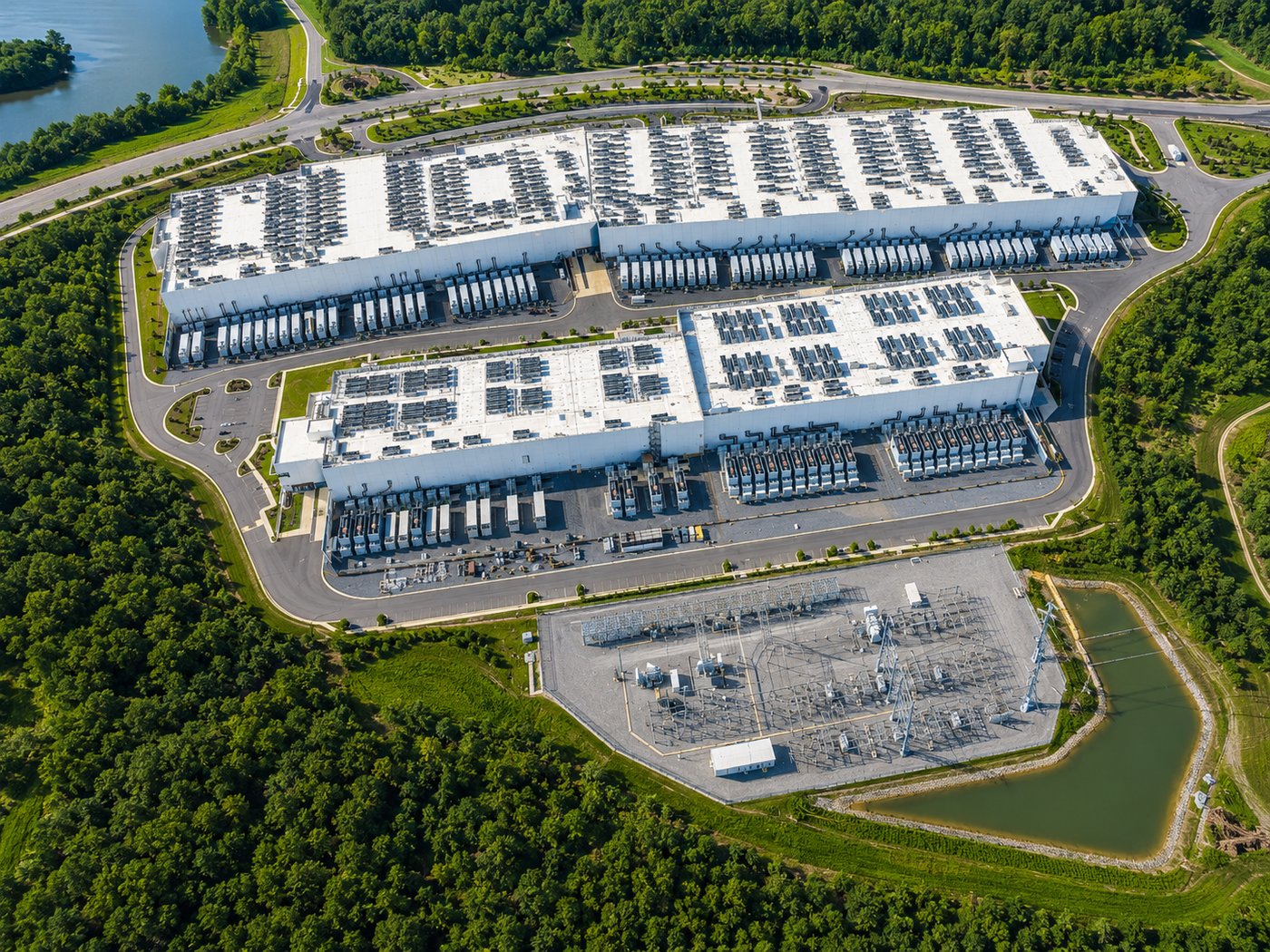 Representative campus — illustrative, not a Bluefin project photo
Growth plans and grid timelines don't always move together.
Utility interconnection capacity, transmission upgrades, and generation additions each run on their own timeline — one that's specific to your utility and service territory. On-site generation, evaluated as part of an overall power strategy, gives a campus a practical option: a way to maintain operational continuity and, where useful, support a phased path toward full utility service.
It also asks the least of your organization to change. Of the paths to on-site, dispatchable capacity, ULN is one of the smallest operational and engineering step-changes an owner-operator can take: the staff who operate and maintain your emergency backup generators today already have the skill set ULN calls on, and the engineering resources most campuses retain for that equipment are already familiar with diesel backup generator engineering. Integrating ULN extends capabilities your organization already has rather than requiring a new discipline.
And it changes the conversation with the community and the utility you're siting alongside. A campus that can demonstrably ease grid conditions during the hours that matter most is a different neighbor than one that simply adds load — see how utilities view that distinction.
A story your community and permitting stakeholders will hear too.
On-site ULN generation gives a campus three concrete things to point to when the conversation turns to grid impact, air quality, and water — see the full Good Neighbor Story or take these three points into your own community engagement.
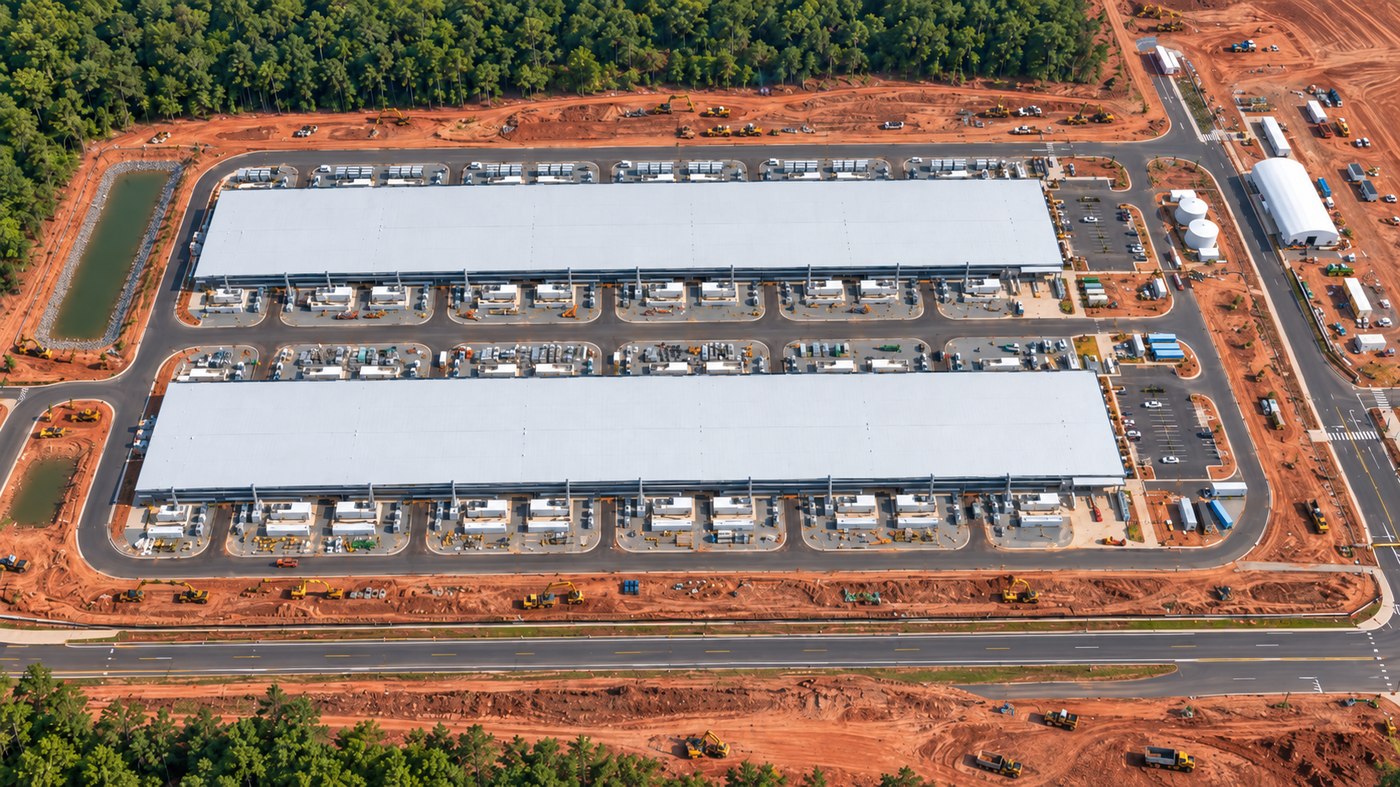 Representative campus — illustrative, not a Bluefin project photo
Grid-supporting, not grid-straining
Coordinated curtailment lets your campus shift its own draw onto on-site generation during exactly the hours that matter most to the grid — the same peak hours that drive a meaningful share of the system and transmission costs shared across the full ratepayer base.
Ultra-clean emissions, engineered in
Engine-level NOx reduction paired with low-temperature SCR brings NOx output to sub-1 ppm — below the equivalent NOx emissions of a comparable natural gas reciprocating engine, and the performance the "Ultra-Low NOx" name refers to.
Air-cooled — no water drawn down
The generation package is cooled by ambient air across its radiator and fan section, not a wet cooling tower or evaporative process — so coordinated curtailment events don't compete with the community for water the way some other generation technologies do.
Where ULN fits into a campus power strategy
Backup power
Generation configured to support designated critical loads during a utility interruption.
Permitted non-emergency operation
Where air permits and site approvals allow it, generation available for planned, non-emergency use beyond backup duty.
Demand response & coordinated curtailment
On-site generation serving designated loads during periods coordinated with the utility, reducing campus grid imports.
Interruptible / non-firm service support
Where permitted, customer-sited generation can support participation in interruptible or non-firm utility service arrangements.
Modular campus deployment
Capacity is added unit by unit as the campus grows, rather than committing to a single fixed-size installation up front.
Scale to gigawatt-class campuses
Earlier SCR dosing lowers uncontrolled emissions per unit, reducing a site's Potential to Emit (PTE) — a key limit on how many units a site can permit. That headroom helps make gigawatt-scale campuses achievable.
An evaluation process, not a guarantee
Every campus sits on a different feeder, in a different utility territory, with different permitting authorities. The steps below describe how we work through that with you — not a commitment to any specific interconnection, permit, schedule, or outcome.
Define the site
Load profile, critical vs. flexible operations, site constraints, and what you're trying to solve for.
Size the system
Configuration, capacity, fuel storage, and integration requirements are evaluated against your site and load.
Engage the stakeholders
You and your utility, permitting authority, and other project stakeholders work through interconnection and approvals — with technical support from Bluefin as needed.
Plan the build
Equipment, integration, and commissioning are sequenced against your construction and go-live timeline.